news
Inter-party dialogue opens in Juba ahead of South Sudan’s December vote
South Sudan opened its inter-party political dialogue in Juba on Wednesday, with President Salva Kiir urging parties to focus on election-related issues and the December vote. The two-week forum comes amid debate over inclusion and the venue for talks.
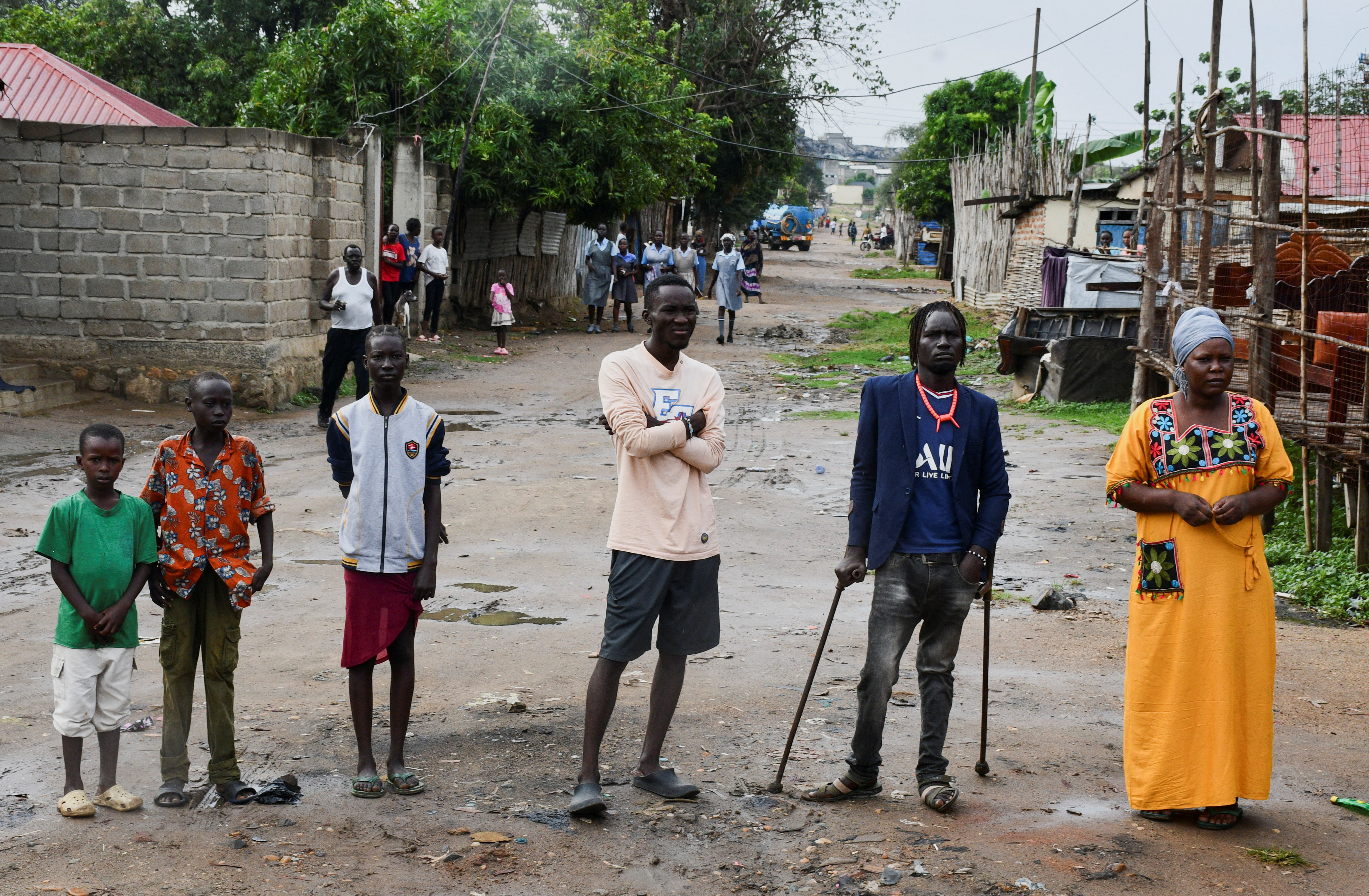
South Sudan’s inter-party political dialogue opened in Juba on Sept. 24, bringing together parties linked to the 2018 peace agreement and other stakeholders as the country heads toward elections scheduled for 22 December 2026. President Salva Kiir opened the forum, which was presented as part of the push to manage election-related issues before the vote.
The meeting had been postponed from Sept. 17 to Sept. 24 and was due to take place in the main hall of the Revitalised Transitional National Legislative Assembly. The dialogue is expected to run for two weeks and includes representatives of political parties, civil society, religious leaders and academics.
Agenda for the talks
Delegates are expected to discuss the election itself, the political situation, the economy and the security sector. The agenda could also include constituency boundaries, political representation, independent candidates, the timing of elections at different levels, campaign and election financing, security for candidates and polling sites, political space for rallies and speech, voting systems, observers and dispute resolution.
In his opening remarks, Kiir said the route to the December 2026 polls is guided by four roadmaps: the legal framework, administration and logistics, security, and election-related dialogue. State media reported that he said the legal roadmap had been achieved, while the other preparations were still advancing.
The election should be held on 22 December 2026, and the president signed an amended elections law earlier this week, which state media said cleared another legal step toward the polls.
Questions over inclusion
The dialogue has not been free of criticism. The United People’s Alliance and the SPLM-IO had earlier rejected a Juba venue and called for broader talks at a neutral site outside the country, while civil society figures argued that a party-led forum alone may not address the wider political, economic and security crisis.
RJMEC, the body monitoring implementation of the peace agreement, welcomed the planned dialogue and urged the parties to use it to address unresolved issues, including security arrangements, judicial reforms, permanent constitution-making, economic reforms and transitional justice.